

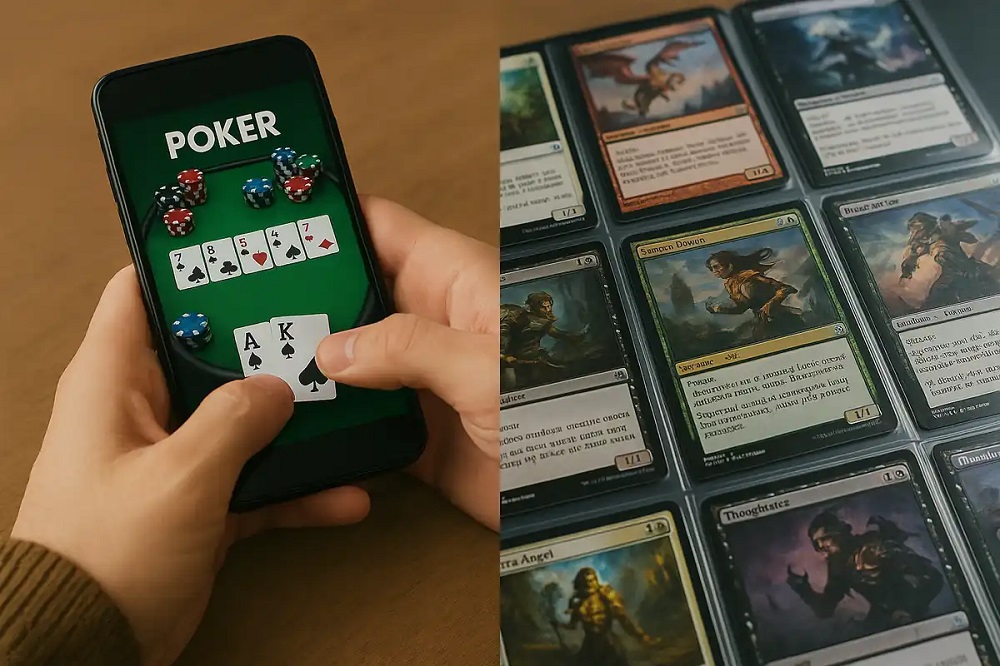
The landscape of interactive entertainment has shifted rapidly over the past decade, driven by technological accessibility and evolving consumer preferences. Among the genres experiencing a massive resurgence in a modernized format, collectible digital card games have emerged as a dominant force. Decades ago, this genre was defined strictly by physical media. Enthusiasts gathered in hobby shops, trading cardboard pieces featuring complex artwork and fantasy lore, meticulously organizing their collections in plastic binders.
The transition into the digital realm has expanded the horizons of the genre. Today, collectible digital card games represent a multi-billion-dollar sector of the global gaming market, captivating millions of active players annually. This explosive growth is not merely a passing trend; it is the direct result of deliberate design innovations, structural changes in how software is distributed, and a profound understanding of modern consumer psychology. Examining the core drivers behind this phenomenon reveals how digital platforms have successfully modernized a classic pastime into an engaging, long-term ecosystem.
The Removal of Physical and Financial Barriers to Entry
One of the primary catalysts for the mainstream adoption of digital card games is the elimination of the friction points inherent in physical hobby gaming. Traditional trading card games required a substantial upfront investment, often demanding that a player purchase starter decks and dozens of randomized booster packs just to construct a legally playable deck. Furthermore, gameplay was restricted by physical location and schedule synchronization; finding a local community of players of similar skill levels required significant effort.
Digital platforms completely dismantle these operational barriers.
-
The Free-to-Play Structure: The vast majority of modern digital card titles operate on a free-to-play business model. Anyone with a smartphone, tablet, or personal computer can download the application and instantly access a complete suite of tutorial modes and baseline cards without spending a single dollar.
-
Ubiquitous Accessibility: Modern matchmaking servers run around the clock, pairing players with global opponents of identical skill ratings within seconds. A complete match can be completed during a morning commute or a brief work break, fitting seamlessly into the fast-paced schedules of modern consumers.
-
Cross-Platform Compatibility: Players can manage their accounts, purchase digital packs, and compete across multiple devices. A user can start a competitive match on their home desktop computer and finish their daily progression milestones on their mobile phone while away from home, ensuring a continuous loop of platform engagement.
Advanced Strategic Depth and Rapid Balance Iteration
While physical card games are structurally static once a set is printed and shipped to retail outlets, digital titles function as live-service software ecosystems. This flexibility allows game developers to cultivate far more complex and balanced strategic landscapes than was ever possible on paper.
In a physical card game, if a specific card or combination proves to be mathematically overpowered, it can ruin the competitive health of the game for months until a new set is printed or the card is banned entirely from official tournaments. Banning a physical card leaves consumers frustrated, as their financial investment is rendered worthless overnight.
Digital card games solve this systemic issue through regular server-side balance patches. If a card exhibits an unintended win rate or stifles strategic diversity in the competitive ladder, designers can instantly modify its resource cost, attack power, or text properties. This ability to continuously fine-tune the game ensures that the competitive environment remains dynamic and healthy. Players are highly motivated to constantly experiment with new deck architectures, as the strategic landscape changes on a monthly or even weekly basis, keeping intellectual stagnation at bay.
Immersive Audiovisual Production and Kinetic Feedback
Human engagement is deeply tied to sensory feedback. Physical card games rely entirely on the imagination of the participants to bring the card text to life. Digital versions capitalize on the processing power of modern devices to transform card battles into cinematic spectacles.
When a player deploys a legendary card in a digital environment, the game does not merely place a piece of artwork on a virtual board. The event triggers custom voice lines, localized weather or environmental particle effects across the screen, and intricate 3D animations that match the theme of the character.
Furthermore, the user interface utilizes kinetic feedback loops, such as screen shakes during massive attacks or satisfying audio cues when a card is drawn from the digital deck. This sensory stimulation turns a cerebral game of mathematical computation into an immersive, high-energy experience. By mimicking the production values of major video game genres, digital card games attract a broader demographic of visual-centric players who might otherwise find traditional tabletop formats unappealing.
The Metagame Loop and Collection Psychology
At the heart of the genre enduring appeal lies a deeply rooted psychological drive: the desire to collect, organize, and optimize. Digital card games leverage this aspect of human behavior by wrapping the core card battles inside a robust metagame progression system.
Platforms introduce seasonal content cycles, typically lasting between eight and twelve weeks, during which players chase new card sets, unlock decorative cosmetic items, and climb competitive ranked ladders. Progression bars, daily reward calendars, and tiered achievements provide users with a constant stream of short-term goals.
Even if a player experiences a series of losses in competitive matches, the metagame ensure they are still accumulating experience points, virtual currency, or progress toward unlocking a specific card pack. This architecture changes the nature of the game from a series of isolated win-loss matches into an ongoing journey of account cultivation, making the player time investment feel meaningful and continually rewarding.
Frequently Asked Questions
What prevents digital card game developers from making the game entirely pay-to-win?
To protect the competitive integrity and longevity of their platforms, developers utilize a system known as generous card economy design. While players can spend real money to acquire card packs rapidly, the game provides robust pathways for non-paying users to earn the exact same cards through gameplay. This is achieved through daily quest systems, in-game currency distribution, and crafting mechanics that allow players to destroy unwanted duplicate cards to generate the exact resources needed to create specific, high-tier cards.
What is a draft or limited mode in a digital card game?
A draft or limited mode is a highly popular alternative gameplay format where players do not use their pre-constructed collections. Instead, all participants enter the mode on an equal footing, paying a flat entry fee to select cards one by one from a randomized series of digital packs presented on screen. Players construct a temporary deck from these choices and compete until they reach a set number of wins or losses, earning rewards based on their final performance, which tests adaptability and fundamental skill rather than collection size.
How do digital card games handle old cards when a new expansion releases?
To prevent the game from becoming overly complex and to lower the barrier for newer players, digital platforms utilize a format rotation system known as standard and wild modes. Standard mode only allows cards released within the last one to two calendar years to be used in competitive play, ensuring a fresh and balance-friendly environment. Wild or legacy modes allow the use of every card ever printed in the history of the game, catering to veteran players who wish to utilize their entire historic collection.
Can digital collectible cards be traded between players like physical cards?
Generally, traditional digital card games do not support direct peer-to-peer trading. To prevent the emergence of unregulated secondary gray markets and fraudulent account farming, developers replace trading with internal crafting systems. Instead of finding someone to trade with, you simply convert your surplus cards into a universal digital resource used to create the specific cards you require, giving you complete autonomy over your collection growth.
Why do digital card games place a heavy emphasis on cosmetic items like card backs and battlefield skins?
Cosmetic items serve as the primary monetization vehicle that allows these platforms to remain free-to-play for the general public. Items such as animated card borders, customized avatars, unique player emotes, and interactive board skins do not grant any statistical advantage during gameplay, meaning they do not disrupt competitive balance. They allow players to express their personality and showcase their achievements to opponents without creating a financial divide in win probability.
How do automated matchmaking systems determine a fair opponent in a card game?
Platforms utilize an automated rating calculation known as a Matchmaking Rating system. This hidden statistical value increases when you win a match and decreases when you lose, adjusting based on the skill rating of the opponent you faced. When you enter a match queue, the system scans the active player pool to find an opponent whose rating sits within a narrow mathematical window of your own, ensuring that games remain competitive and preventing veterans from being paired with complete novices.
